恒星
恒星基础知识
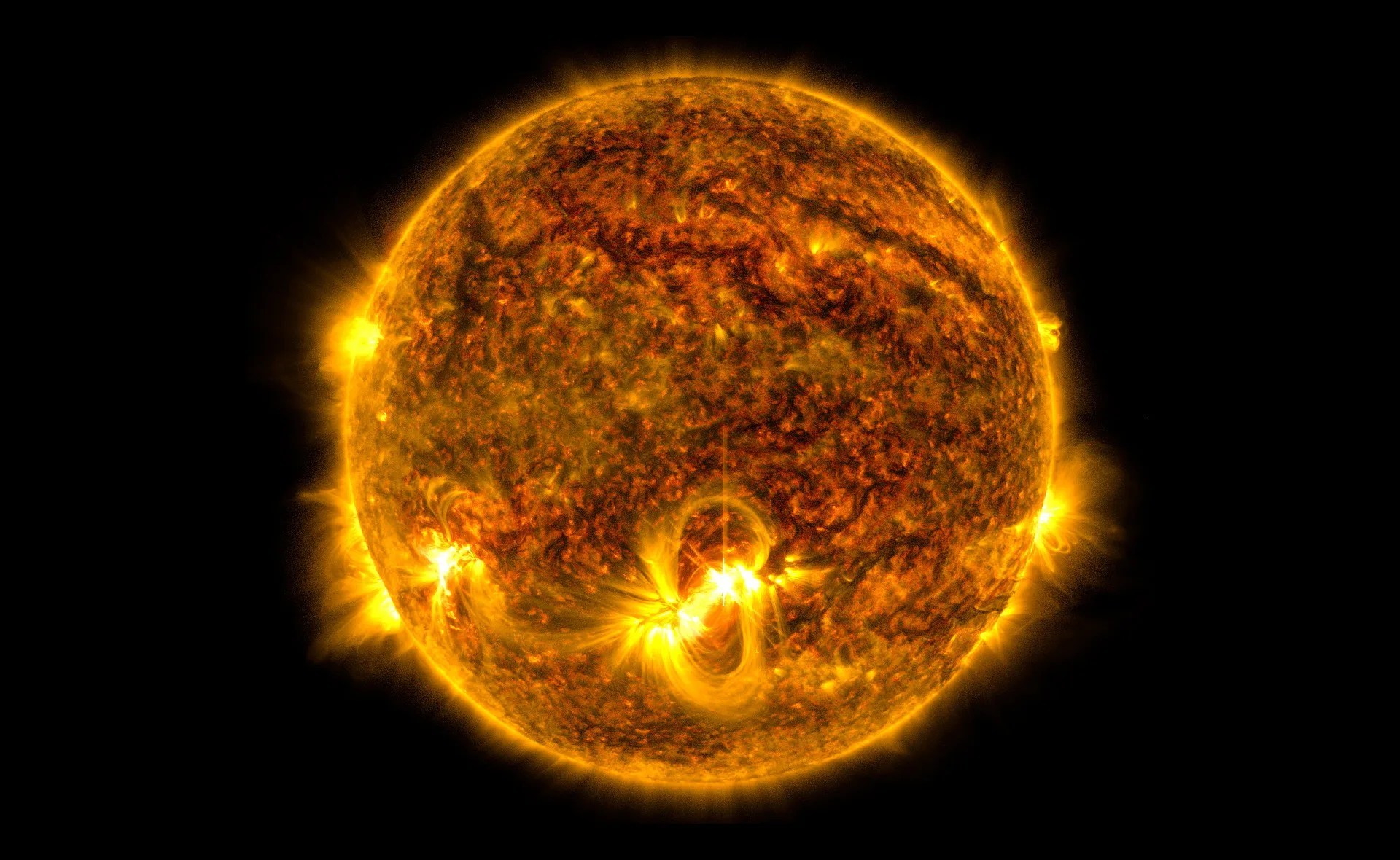
天文学家估计,宇宙中可能有多达一亿亿亿颗恒星——也就是 1 后面跟着 24 个零。仅我们的银河系(Milky Way)就包含超过 1000 亿颗恒星,其中包括我们研究得最透彻的恒星——太阳。
恒星是由炽热气体组成的巨大球体——主要是氢,还有一些氦和少量其他元素。每颗恒星都有自己的生命周期,从几百万年到数万亿年不等,它的性质会随着变老而改变。
诞生
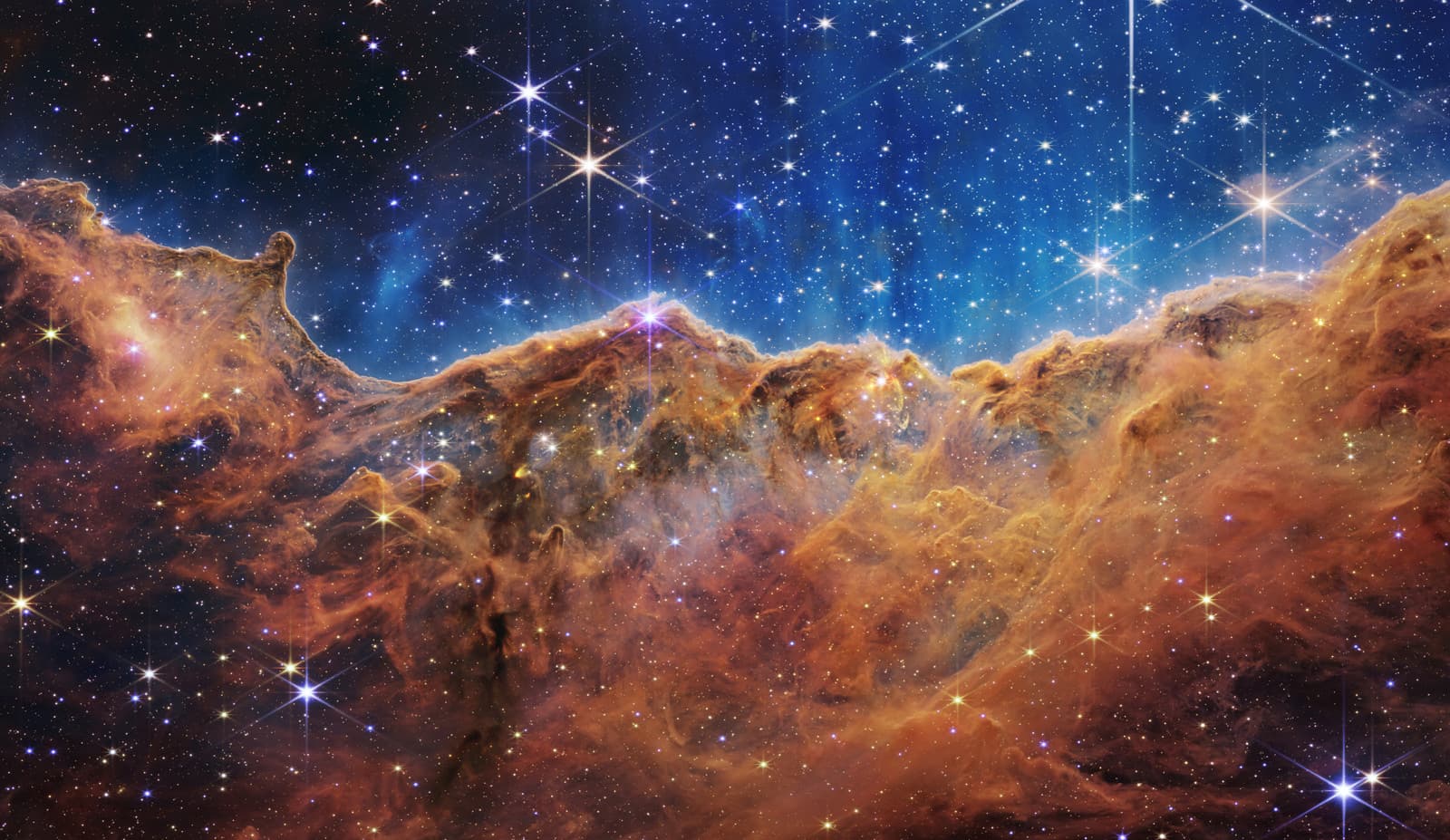
Stars form in large clouds of gas and dust called molecular clouds. Molecular clouds range from 1,000 to 10 million times the mass of the Sun and can span as much as hundreds of light-years. Molecular clouds are cold which causes gas to clump, creating high-density pockets. Some of these clumps can collide with each other or collect more matter, strengthening their gravitational force as their mass grows. Eventually, gravity causes some of these clumps to collapse. When this happens, friction causes the material to heat up, which eventually leads to the development of a protostar – a baby star. Batches of stars that have recently formed from molecular clouds are often called stellar clusters, and molecular clouds full of stellar clusters are called stellar nurseries.
Life
At first, most of the protostar’s energy comes from heat released by its initial collapse. After millions of years, immense pressures and temperatures in the star’s core squeeze the nuclei of hydrogen atoms together to form helium, a process called nuclear fusion. Nuclear fusion releases energy, which heats the star and prevents it from further collapsing under the force of gravity.
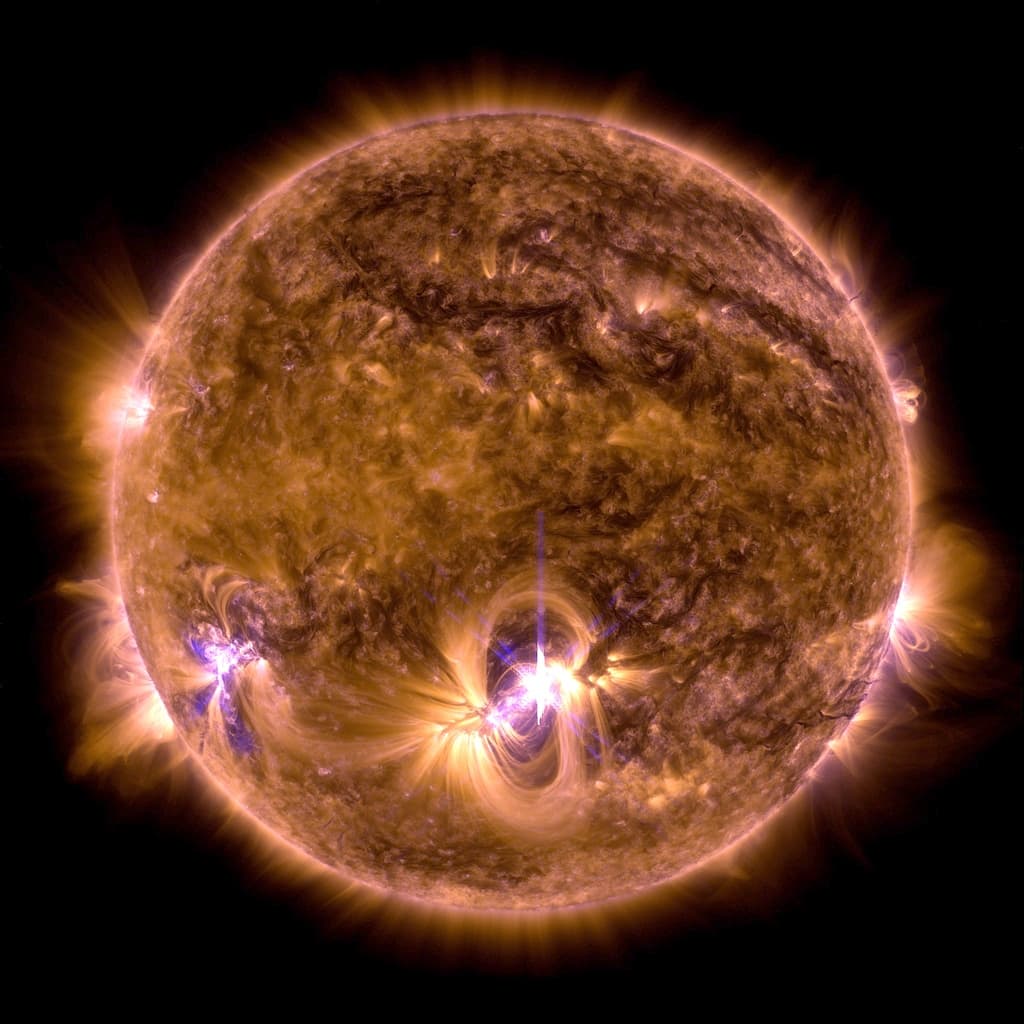
Astronomers call stars that are stably undergoing nuclear fusion of hydrogen into helium main sequence stars. This is the longest phase of a star’s life. The star’s luminosity, size, and temperature will slowly change over millions or billions of years during this phase. Our Sun is roughly midway through its main sequence stage.
A star’s gas provides its fuel, and its mass determines how rapidly it runs through its supply, with lower-mass stars burning longer, dimmer, and cooler than very massive stars. More massive stars must burn fuel at a higher rate to generate the energy that keeps them from collapsing under their own weight. Some low-mass stars will shine for trillions of years – longer than the universe has currently existed – while some massive stars will live for only a few million years.
死亡
在恒星生命终结的开端,其核心的氢耗尽,无法再转化为氦。核聚变产生的能量在恒星内部形成压力,平衡引力将物质拉近的趋势,于是核心开始坍缩。但挤压核心也会提高其温度和压力,使恒星缓慢膨胀。然而,恒星死亡后期阶段的细节很大程度上取决于它的质量。
低质量恒星的大气层会持续膨胀,直到它变成次巨星或巨星,同时核心处的聚变将氦转化为碳。(这将是我们的太阳在几十亿年后的命运。)一些巨星会变得不稳定并发生脉动,周期性地膨胀并抛射出部分大气层。最终,恒星的所有外层被吹散,形成一团不断膨胀的尘埃和气体云,称为行星状星云。
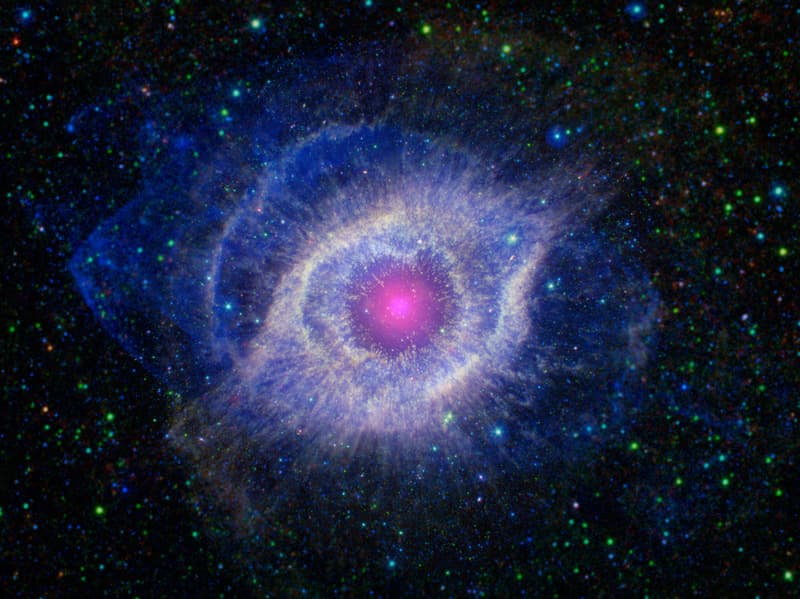
恒星剩下的只有它的核心,现在称为白矮星,那是一颗大小与地球相仿的恒星余烬,会在数十亿年间逐渐冷却。
高质量恒星则走得更远。聚变将碳转化为氧、氖和镁等更重的元素,这些元素将成为核心未来的燃料。对于最大的恒星,这一链条持续下去,直到硅聚变为铁。这些过程产生的能量使核心免于坍缩,但每一种新燃料维持的时间越来越短。整个过程只需几百万年。到硅聚变为铁时,恒星在几天之内就会耗尽燃料。下一步是将铁聚变为某种更重的元素,但这样做需要吸收能量而不是释放能量。
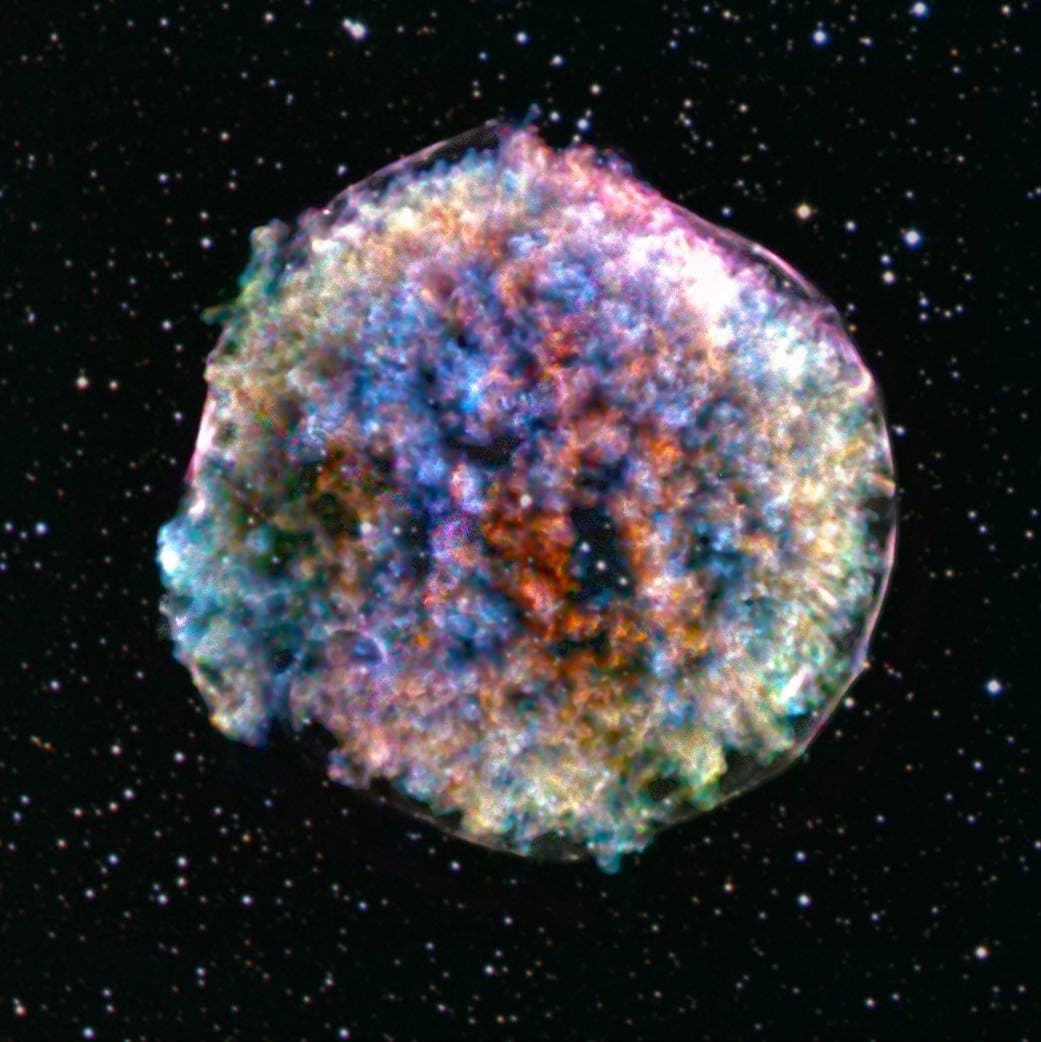
恒星的铁核心坍缩,直到原子核之间的力踩下刹车,然后它反弹回来。这一变化产生一道冲击波,向外穿过恒星。其结果是一场巨大的爆炸,称为超新星。核心作为极其致密的遗迹幸存下来,要么是neutron star,要么是black hole。
超新