引力如何弯曲光线
Gravity is obviously pretty important. It holds your feet down to Earth so you don’t fly away into space, and (equally important) it keeps your ice cream from floating right out of your cone! We’ve learned a lot about gravity over the past few hundred years, but one of the strangest things we’ve discovered is that most of the gravity in the universe comes from an invisible source called “dark matter.” While our telescopes can’t directly see dark matter, they can help us figure out more about it thanks to a phenomenon called gravitational lensing.
引力的“局势”
任何有质量的物体都会对所有其他有质量的物体产生引力。这是因为质量会弯曲时空(spacetime),也就是宇宙的基本结构。美洲驼、甜甜圈,甚至回形针这类东西都会弯曲时空,但由于它们质量不大,所以只弯曲一点点。行星、恒星和黑洞这类更大的物体则会大幅弯曲时空,因为它们质量大得多,不过由于它们很紧凑,这种弯曲只发生在它们附近的局部区域。它们造成的时空扭曲会影响从附近经过的物体的运动方式。

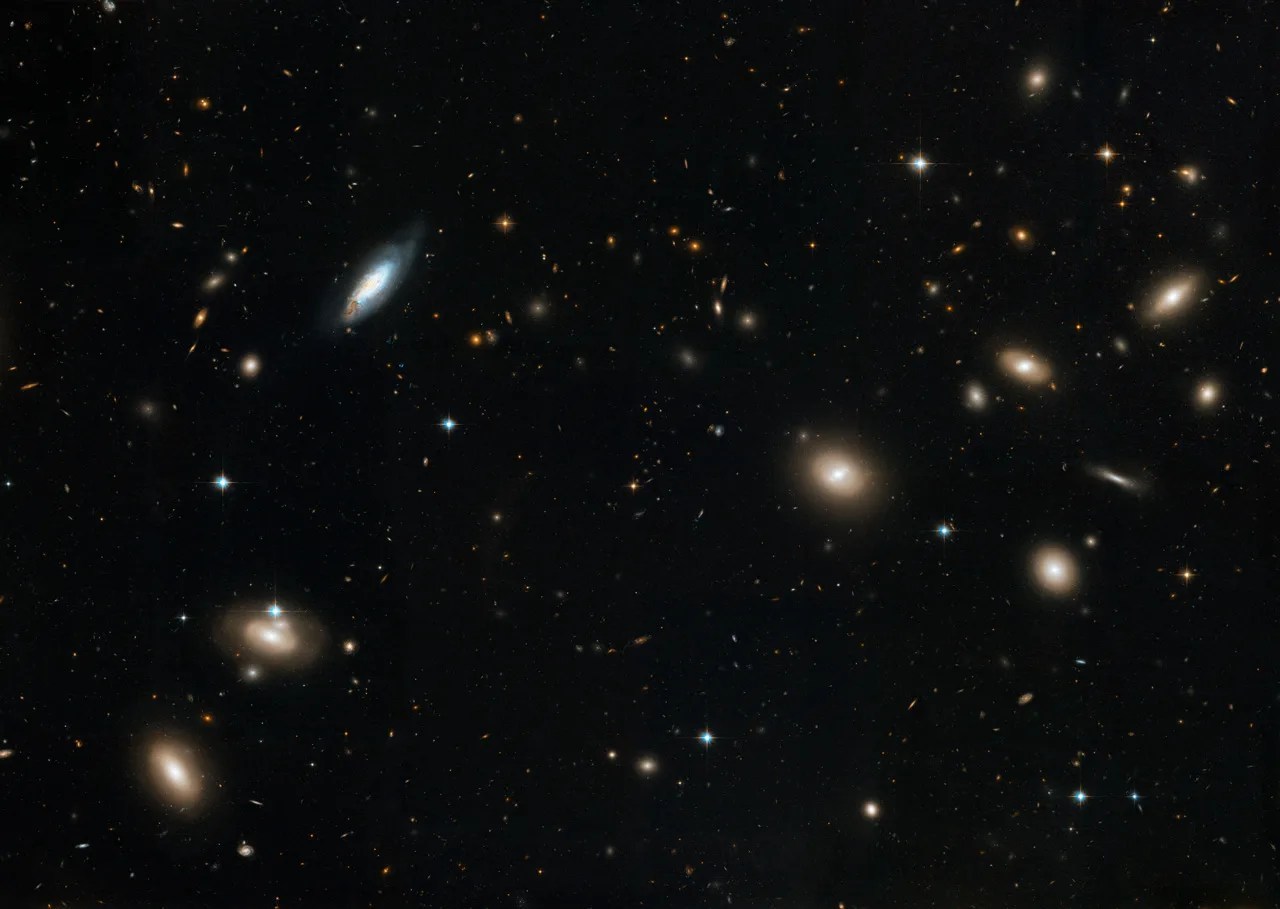
Huge clusters of galaxies are so massive that their gravity produces some fairly bizarre effects. When light passes close to a massive object, space-time is so warped that it curves the path the light must follow. Light that would normally go through the galaxy cluster bends around it, producing intensified – and sometimes multiple – images of the source. This process, called gravitational lensing, turns galaxy clusters into gigantic, intergalactic magnifying glasses that give us a glimpse of cosmic objects that would normally be too distant and faint for even our biggest telescopes to see.

Hubble “Sees” Dark Matter
Let’s recap – mass warps space-time. The more mass, the stronger the warp, and the bigger its gravitational lensing effects. In fact, by studying “lensed” objects, we can map out the quantity and location of the unseen matter causing the distortion!
Thanks to gravitational lensing, scientists have measured the total mass of many galaxy clusters, which revealed that all the matter they can see isn’t enough to create the warping effects they observe. There’s more gravitational pull than there is visible stuff to do the pulling – a lot more! Scientists have given the invisible stuff that accounts for this difference the name “dark matter.” It’s invisible to our eyes and telescopes, but it can’t hide its gravity!
我们看到的和我们知道一定存在的东西之间的不匹配可能看起来很奇怪,但并不难想象。你知道人不可能悬浮在半空中,那么如果你看到一个人似乎正在这样做呢?你会立刻知道一定有钢丝吊着他,即使你看不见那些钢丝。

我们的Hubble Space Telescope观测正在帮助揭开暗物质之谜。天文学家通过用哈勃研究引力透镜星系团,弄清了宇宙中有多少物质是“普通”物质、有多少是“暗”物质。尽管普通物质构成了从泡菜到行星的一切,但宇宙中的there’s about five times more dark matter比所有普通物质加起来还要多!
罗曼将加大搜索力度
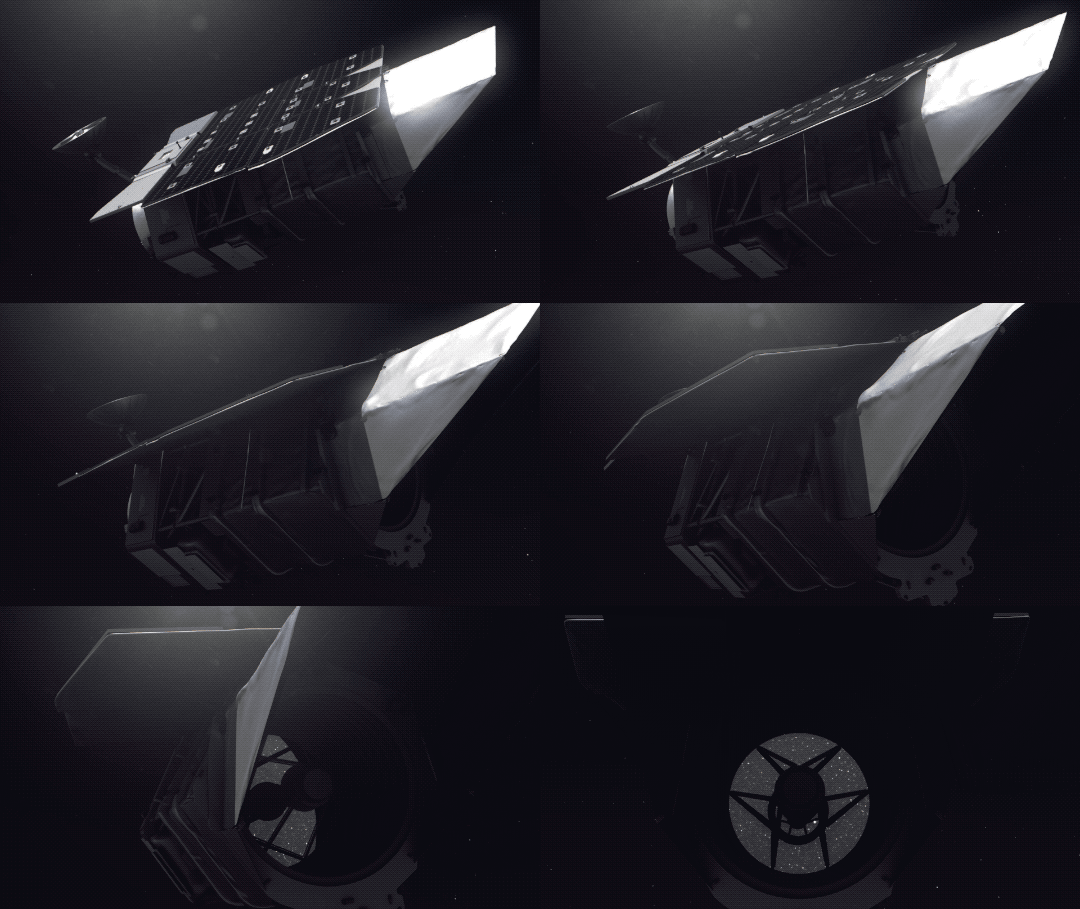
即将到来的Nancy Grace Roman Space Telescope将把这些引力透镜观测提升到新的水平。罗曼的灵敏度足以使用同一效应的更微妙版本——称为弱引力透镜——来观察更小的暗物质团块如何扭曲遥远星系的外观。通过观测这种小尺度上的透镜效应,科学家将能够填补我们对暗物质理解中的更多空白。
Roman的视野将至少比哈勃大100倍,同时保持同样出色的图像质量。它还将更高效、成像更快,因此罗曼的透镜图将比哈勃的大近一千倍。罗曼将在第一年收集so much data,使科学家能够进行以往望远镜需要数百年才能完成的深入研究。

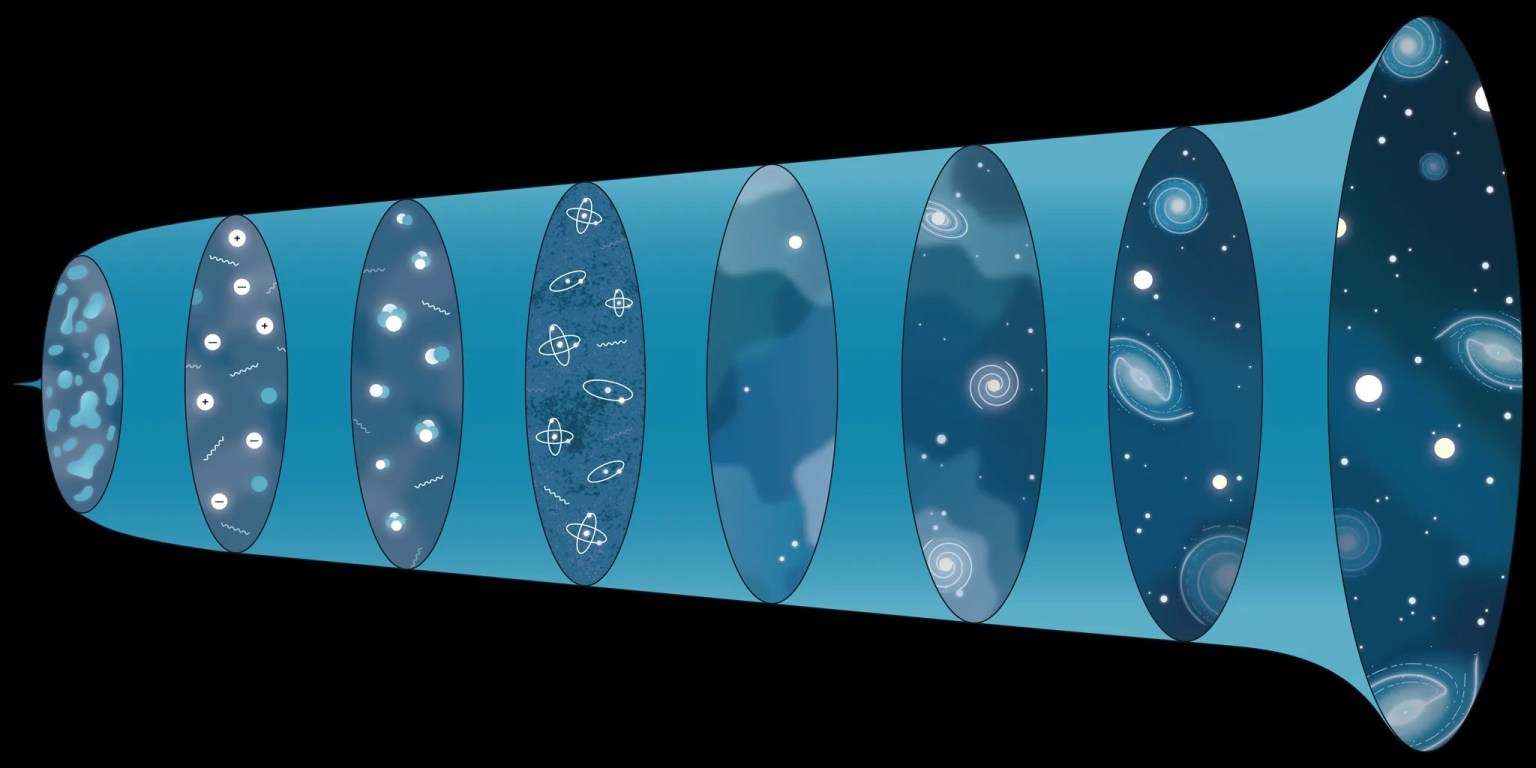
罗曼的弱引力透镜观测将使我们能够窥探更further back in time than Hubble is capable of seeing。科学家认为,宇宙底层的暗物质结构通过吸引普通物质而played a major role in the formation and evolution of galaxies。观察暗物质从早期阶段到现在的宇宙分布,将帮助科学家揭示它随时间如何演化,并可能为它未来如何继续演化提供线索。我们不知道未来会怎样,但罗曼将帮助我们找到