黑洞:看见不可见之物!
Black holes 是宇宙中最奇异、最迷人的天体之一。天文学家想研究大量的黑洞,但有一个大问题——黑洞是看不见的!因为它们不发出任何光,所以要在漆黑一片的太空深处找到它们藏身之处,可真是相当困难。幸运的是,我们有几种不同的方法,可以通过观察黑洞如何影响周围环境来间接地“看见”它们。

飞驰的恒星
如果你曾经花些时间仰望星空,你就会知道我们的宇宙可以多么宁静、祥和。但你知道吗?在我们的银河系(Milky Way)正中心,藏着一个怪物!天文学家注意到,有恒星以每小时约一
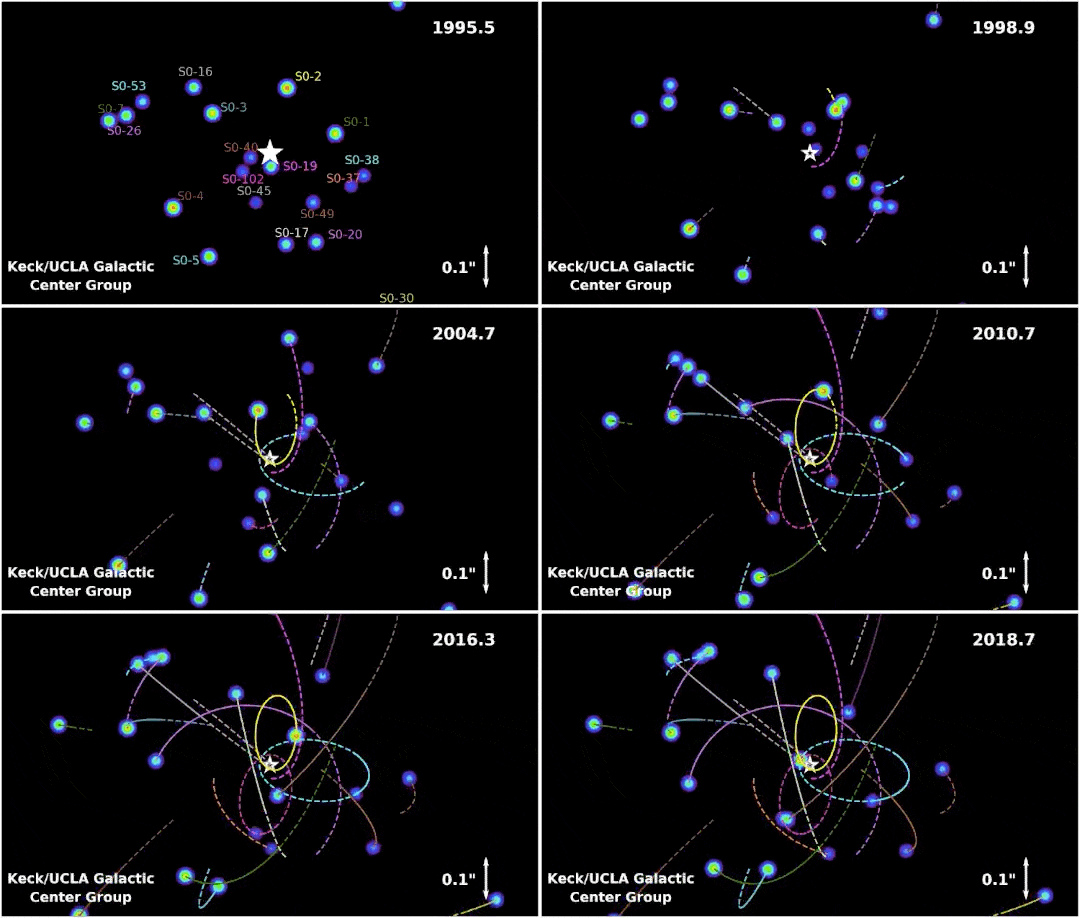
Two astrophysicists won half of the Nobel Prize in Physics in 2020 for revealing this dark secret. The black hole is truly monstrous, weighing about four million times as much as our Sun! And it seems our home galaxy is no exception – our Hubble Space Telescope has revealed that the hubs of most galaxies contain supermassive black holes.
Shadowy silhouettes
Technology has advanced enough that we’ve been able to spot one of these supermassive black holes in a nearby galaxy. In 2019, astronomers took the first-ever picture of a black hole in a galaxy called M87, which is about 55 million light-years away. They used an international network of radio telescopes called the Event Horizon Telescope. And in 2022, they used the same network of telescopes to reveal the black hole at the center of the Milky Way.
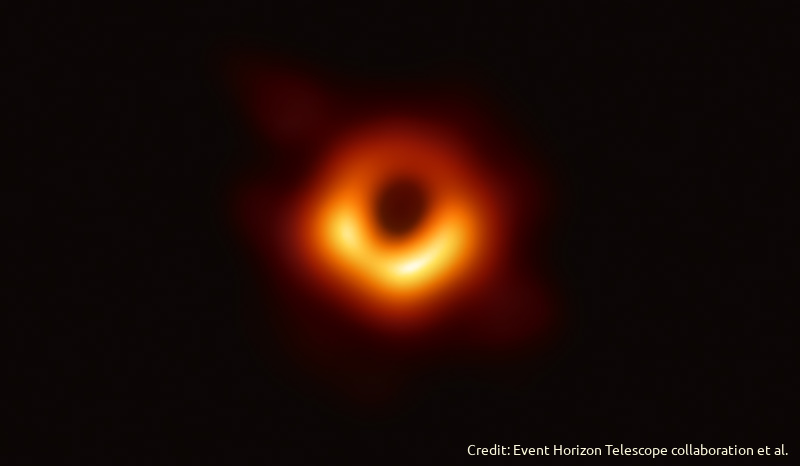
In the image, we can see some light from hot gas surrounding a dark shape. While we still can’t see the black hole itself, we can see the “shadow” it casts on the bright backdrop.
Shattered stars
黑洞也有较小的种类。当一颗大质量恒星耗尽了用来发光的燃料时,它就会向内坍缩。这些轻量级或“恒星级质量”黑洞的质量是太阳的几倍到几百倍。它们散布在星系中我们发现恒星的那些地方,因为它们就是这样开始生命的。其中一些最初有一颗伴星,到目前为止,这是我们找到它们的最佳线索。
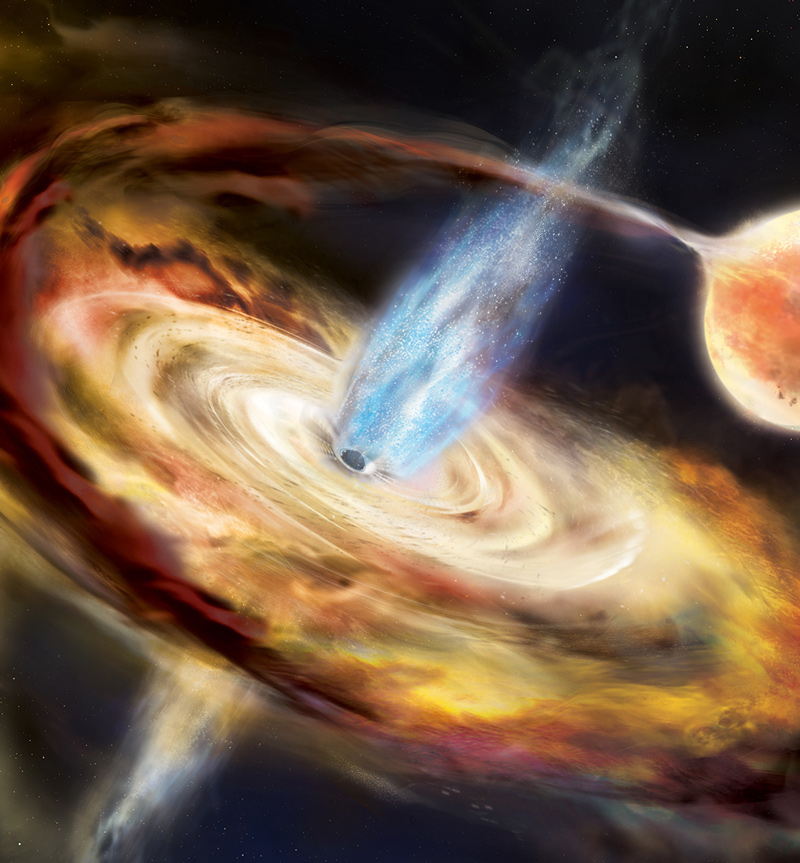
一些黑洞会窃取伴星的物质。当物质落到黑洞上时,它会变得超热并在 X-rays 中发光。天文学家发现的第一个被确认的黑洞,称为天鹅座 X-1,就是这样被发现的。
NASA’s Goddard Space Flight Center
如果一颗恒星离超大质量黑洞太近,效果会更加戏剧性!超大质量黑洞不会像较小黑洞那样只是从恒星吸走物质,而是会把恒星完全撕碎成一股气流。这被称为 tidal disruption event。
掀起波澜
但如果两颗伴星都变成黑洞呢?它们最终可能会相互碰撞,形成一个更大的黑洞,并在时空——宇宙的结构——中激起涟漪!
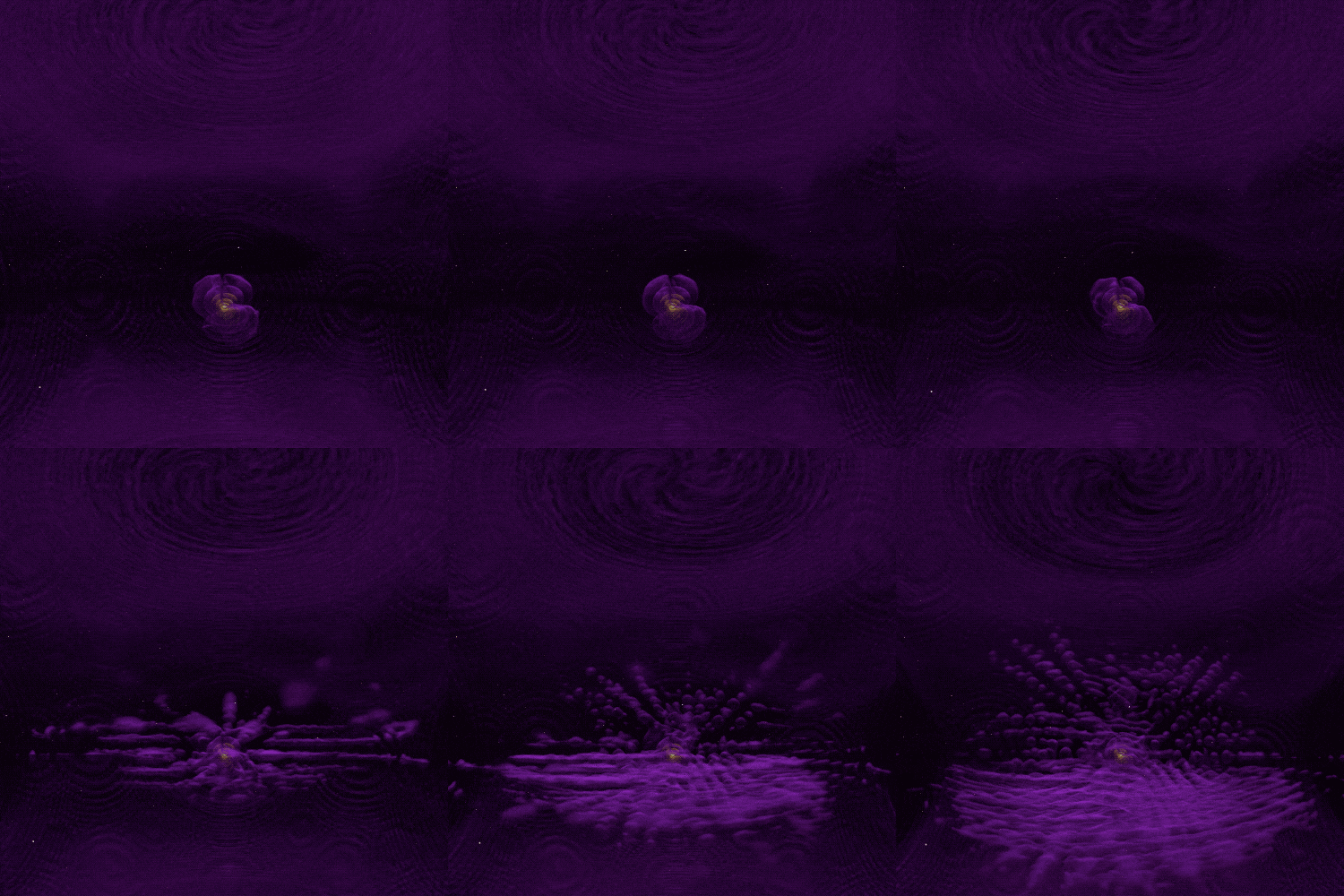
这些涟漪被称为 gravitational waves,以光速在太空中传播。到达我们这里的波极其微弱,因为时空非常坚硬。
三位科学家获得了 2017 Nobel Prize in Physics,因为他们使用 LIGO 观测到了由恒星级质量黑洞碰撞发出的引力波。尽管引力波很难探测,但它们提供了一种无需看到任何光就能找到黑洞的方法。
我们正与 European Space Agency 合作开展一项名为 LISA 的任务,LISA 代表激光干涉仪空间天线。当它在 2030 年代发射时,它将探测来自合并超大质量黑洞的引力波——这很可能是星系碰撞的信号!

Rogue black holes
So we have a few ways to find black holes by seeing stuff that’s close to them. But astronomers think there could be 100 million black holes roaming the galaxy solo. Fortunately, our Nancy Grace Roman Space Telescope will provide a way to “see” these isolated black holes, too.

Roman will find solitary black holes when they pass in front of more distant stars from our vantage point. The black hole’s gravity will warp the starlight in ways that reveal its presence. In some cases, we can figure out a black hole’s mass and distance this way, and even estimate how fast it’s moving through the galaxy.